
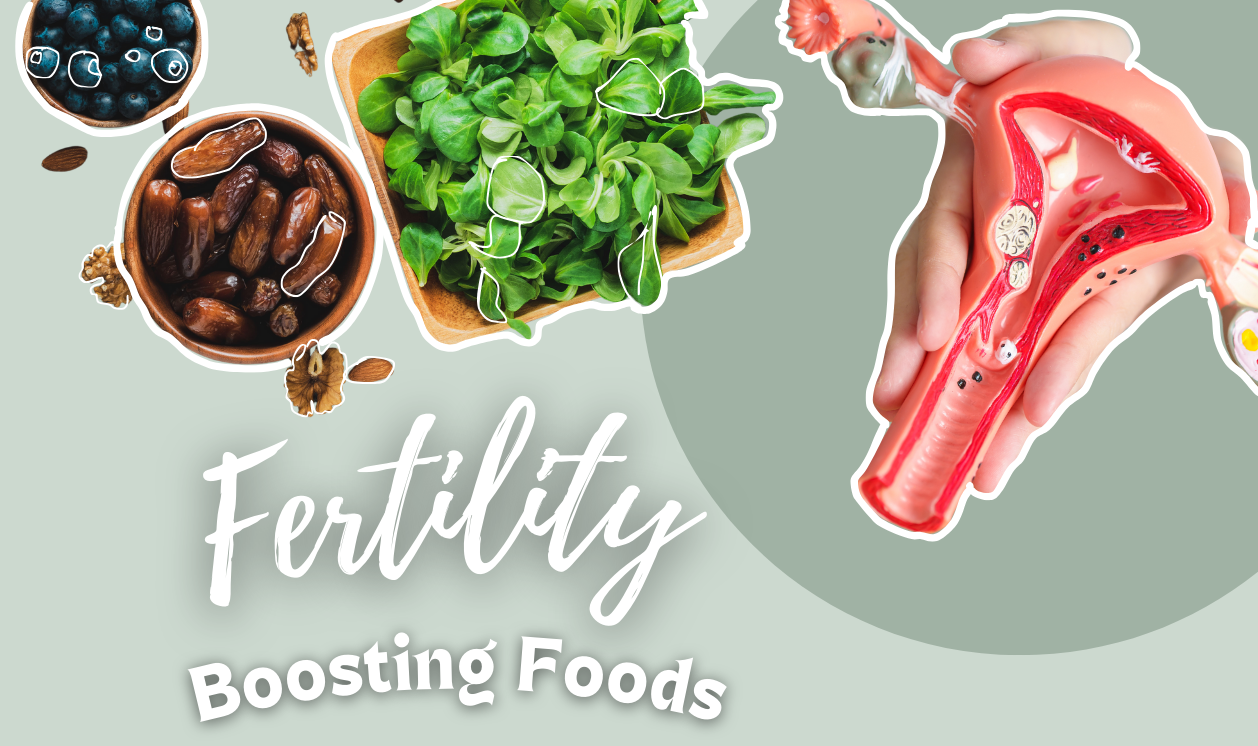
When we think about fertility, we often overlook the profound connection between the foods we eat and our reproductive health. In reality, nourishing your body with the right nutrients can play a key role in boosting fertility. This is not just about meeting daily nutritional needs, but about mindfully choosing foods that support hormonal balance, improve egg quality, and enhance overall reproductive health.
Here’s a soothing look into fertility-boosting foods backed by science, helping you nurture your body on this intimate journey.
1. Leafy Greens: The Power of Folate
Why It Works: Leafy greens like spinach, kale, and Swiss chard are packed with folate, a B-vitamin that has been shown to support fertility in both men and women. Folate helps in the development of healthy eggs and prevents chromosomal abnormalities. It also plays a critical role in DNA synthesis, making it essential for conception and early fetal development.
Science Says: Research shows that women with adequate folate intake had a higher likelihood of conception and a lower risk of miscarriage.
How to Enjoy: Add a handful of spinach to smoothies, toss kale in salads, or sauté Swiss chard with olive oil for a nutrient-dense side dish.
2. Healthy Fats: Omega-3 Rich Foods
Why It Works: Omega-3 fatty acids, particularly those found in fatty fish like salmon, chia seeds, flaxseeds, and walnuts, are known for their anti-inflammatory properties. Omega-3s support hormone production, promote regular ovulation, and improve blood flow to the reproductive organs.
Science Says: A study published in The American Journal of Clinical Nutrition found that women with higher omega-3 levels had better egg quality and improved fertility outcomes.
How to Enjoy: Drizzle chia seeds over yogurt, blend flaxseeds into your morning smoothie, or add walnuts to your oatmeal for a delicious and fertility-boosting snack.
3. Whole Grains: Stabilizing Blood Sugar
Why It Works: Whole grains like quinoa, brown rice, and oats provide slow-releasing carbohydrates that help stabilize blood sugar levels. Balanced blood sugar is crucial for hormone regulation, which is essential for a healthy menstrual cycle and ovulation.
Science Says: Studies suggest that diets rich in refined carbohydrates, such as white bread and sugary snacks, can disrupt hormonal balance and increase the risk of infertility. Whole grains, on the other hand, help regulate insulin, which is linked to better fertility outcomes.
How to Enjoy: Swap refined grains for whole grains—try quinoa in salads, overnight oats for breakfast, or brown rice as a base for hearty meals.
4. Berries: Antioxidant Powerhouses
Why It Works: Berries like strawberries, blueberries, and raspberries are loaded with antioxidants, which protect eggs from oxidative stress and aging. Antioxidants neutralize free radicals, which can damage reproductive cells, ensuring your eggs stay healthy and viable.
Science Says: Research in Human Reproduction indicates that antioxidants play a vital role in improving fertility by reducing oxidative damage to reproductive cells.
How to Enjoy: Add berries to your morning cereal, blend them into smoothies, or simply snack on them throughout the day for a fertility-friendly treat.
5. Full-Fat Dairy: Hormone Balance
Why It Works: Full-fat dairy products, like whole milk and yogurt, provide essential fats and fat-soluble vitamins that play a key role in hormone production and balance. Women who consume full-fat dairy products may experience better ovulatory function compared to those who stick to low-fat options.
Science Says: A Harvard School of Public Health study found that women who ate full-fat dairy products were more likely to have regular ovulation than those who consumed low-fat or non-fat dairy.
How to Enjoy: Choose whole milk for your coffee, incorporate full-fat yogurt into your breakfast routine, or enjoy a small serving of full-fat cheese with fruit.
6. Lentils and Beans: Plant-Based Protein
Why It Works: Plant-based proteins from sources like lentils, beans, and chickpeas are rich in iron and other essential nutrients that support fertility. Iron is crucial for producing healthy eggs and maintaining ovulatory health.
Science Says: Studies suggest that women who consume plant-based proteins, rather than animal proteins, may have a lower risk of ovulatory infertility.
How to Enjoy: Whip up a lentil soup, sprinkle chickpeas on your salad, or make a bean-based stew for a hearty and nourishing meal.
7. Pumpkin Seeds: Zinc-Rich Superfoods
Why It Works: Pumpkin seeds are packed with zinc, a mineral that is essential for hormone production and egg quality. Zinc also supports immune function, which is important for overall reproductive health.
Science Says: Research highlights the importance of zinc in supporting a healthy menstrual cycle and improving fertility outcomes in both men and women.
How to Enjoy: Sprinkle pumpkin seeds over salads, blend them into pesto, or snack on them raw for a quick fertility-boosting bite.
Consistency Matters
Incorporating these fertility-boosting foods into your diet is not a one-time solution but a lifestyle shift. Just as with many aspects of health, consistency is key. Regularly nourishing your body with these nutrient-rich foods helps create an environment that is supportive of reproductive health. And remember, it’s not just about what you eat, but also about how you treat your body. Listening to your needs, staying hydrated, reducing stress, and staying active all contribute to your fertility journey.